
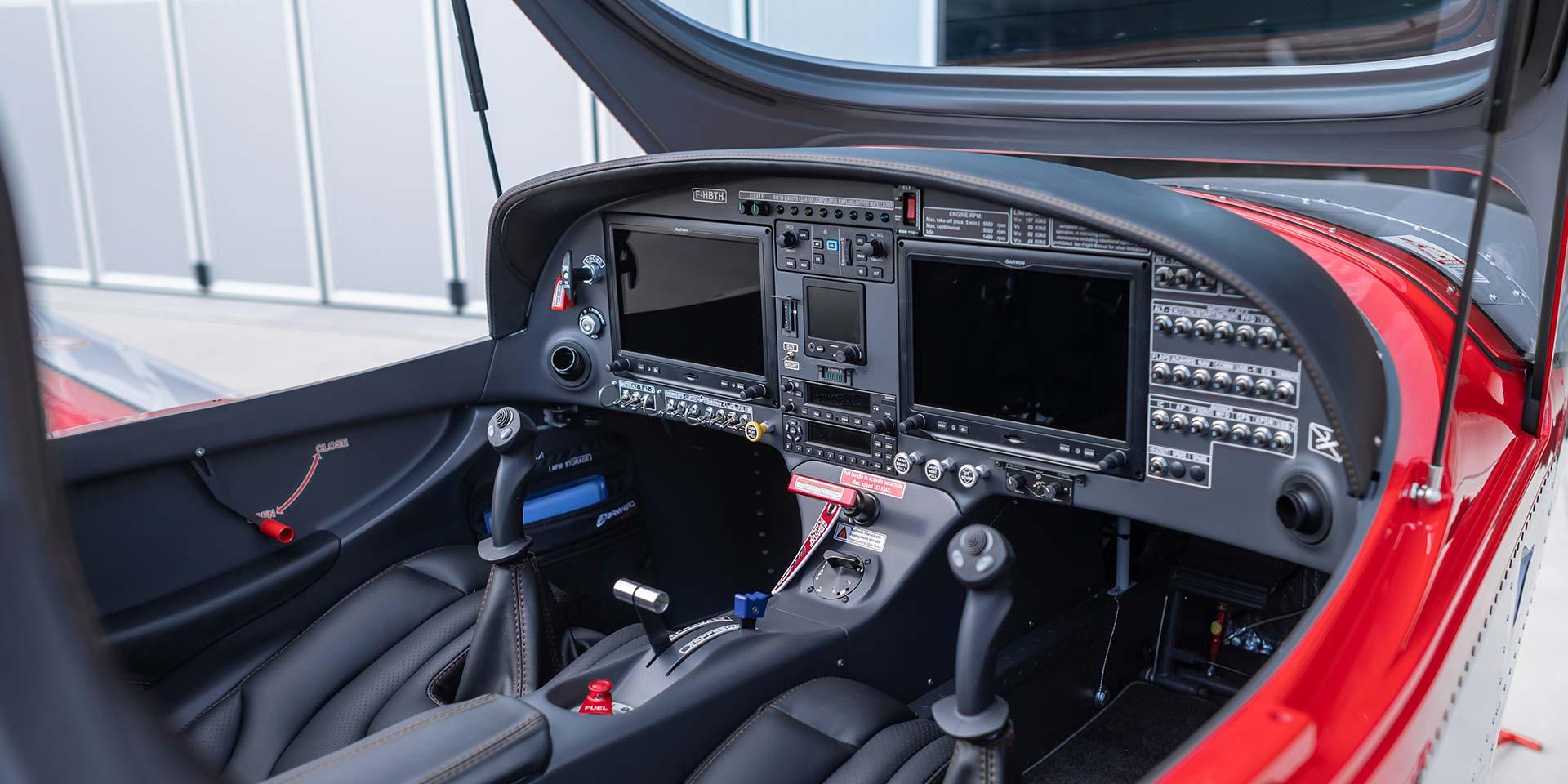
For Investor-Minded Buyers
Aviation as an asset class.
Aircraft ownership may offer potential tax advantages and income opportunities through leaseback arrangements. Understanding the structure before you step in is not optional — it's the only responsible way to approach this category.
Book an Aircraft Strategy CallImportant Notice — Not Investment or Tax Advice
PilotNation does not provide investment advice, tax advice, or financial planning services. Any discussion of potential income, tax treatment, or depreciation is illustrative and estimated only — not a guarantee of any outcome. Aircraft ownership involves real financial risk and complexity. All figures presented are for educational purposes. You should consult a qualified tax advisor, CPA, or financial advisor before making any aircraft ownership or investment decision. Results may vary significantly based on individual circumstances, aircraft type, school relationship, market conditions, and applicable tax law.
The Potential Structure
Why Investor-Minded Buyers Consider Aircraft
These are illustrative structural elements only. Individual outcomes vary. Consult your tax and financial advisors.
Potential Depreciation Treatment
Aircraft may qualify for bonus depreciation under current tax law. The specifics depend on your business use, entity structure, and the aircraft itself. This is a complex area requiring qualified tax guidance.
Estimated Leaseback Income
Placing an aircraft with a flight school under a leaseback arrangement may generate monthly income. Revenue potential varies significantly by aircraft type, location, school utilization, and market conditions.
Tangible Asset Ownership
Unlike paper investments, an aircraft is a physical asset with independent utility. It can be flown, repositioned, or sold. This characteristic appeals to some investor-minded buyers seeking tangible holdings.
Before You Decide
Four Questions Every Investor Should Answer First
1.
What is your actual business use percentage?
Depreciation treatment is tied to qualified business use. Mixed personal/business use changes the calculation significantly.
2.
What is your entity structure?
How you hold the aircraft — personally, through an LLC, or through another entity — has meaningful tax implications. This is not a DIY decision.
3.
What is the school's payment and utilization track record?
Estimated leaseback income is only as reliable as the school delivering it. Operator track record matters as much as the revenue model.
4.
What is your exit timeline and strategy?
Aircraft values fluctuate. Leaseback relationships end. Understanding how you get out before you get in is non-negotiable.
Our Process
How We Work With Investor-Minded Buyers
01
Strategy Call
We start with a structured conversation about your goals, budget, timeline, and current tax/financial situation.
02
Structure Review
We walk through the leaseback structure, the entity considerations, and the questions your advisors should be asking.
03
Aircraft + School Matching
We identify aircraft types and school relationships that fit your investment profile — with eyes-open tradeoff analysis.
04
Advisor Coordination
We help you brief your CPA and attorney on the specific questions they need to address before you proceed.



Request an Investor Strategy Call
Tell us where you are. We'll schedule a focused conversation around your specific situation.
Book an Aircraft Strategy Call