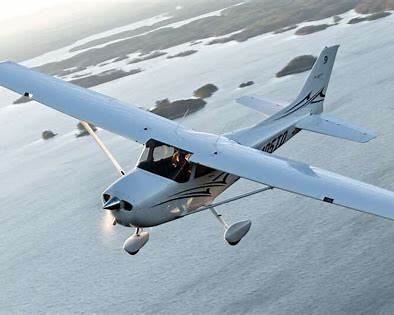
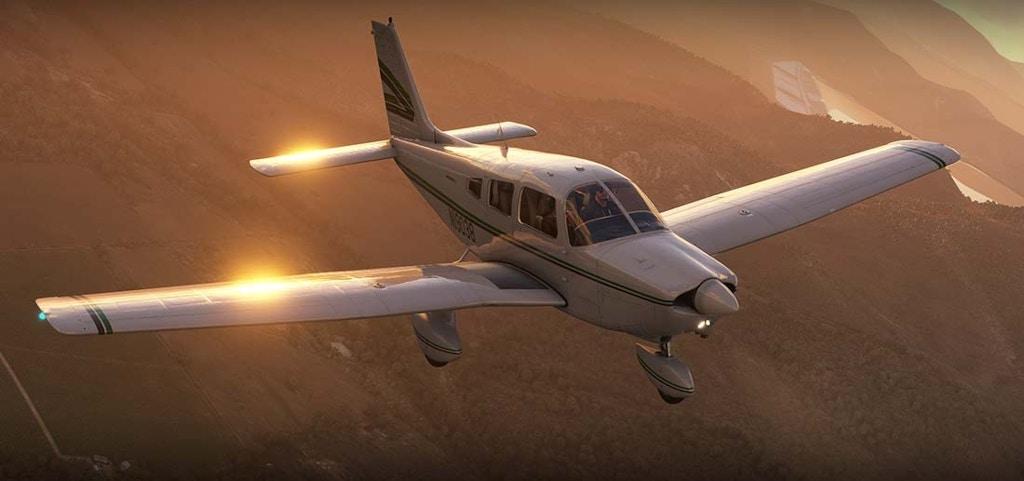
Should You Leaseback Your Cessna 172? The Honest Economics Breakdown.
Most leaseback conversations start with a number that sounds attractive. This article starts with the questions you need to answer before that number means anything.

Aircraft Ownership Intelligence
Practical articles on aircraft ownership economics, leaseback strategy, acquisition decisions, and the financial side of general aviation. Written by a B-1B veteran and 737 First Officer who has been inside aviation — and inside asset management — for over a decade.
Most aviation content is written for enthusiasts. It covers gear, destinations, and flight reviews. That content is fine. But it does not help you answer the question that actually costs you money: what should I do with my aircraft, and is my ownership structure working for me or against me?
The PilotNation blog exists to answer the questions that come before the phone call. Whether you are an existing owner trying to understand whether leaseback makes sense for your Cessna 172 or Piper Cherokee, an aspiring buyer evaluating aircraft economics before you commit to a purchase, a flight school operator trying to understand how to structure fleet arrangements, or an investor-owner exploring the intersection of bonus depreciation and leaseback income — this is where you get the honest framework before you make the decision.
No sponsored content. No advertiser relationships. No affiliate commissions on aircraft purchases. Every article is written from the same position as every other PilotNation service: we work for the owner, not the transaction.

Most leaseback conversations start with a number that sounds attractive. This article starts with the questions you need to answer before that number means anything.

Fixed costs do not care whether your aircraft flew 200 hours last year or 12. Here is the full picture of what idle ownership actually costs and what changes when you put the aircraft to work.

Aircraft placed in commercial leaseback service may qualify for significant first-year depreciation treatment. The strategy only works if the structure is right before the purchase closes.

Financially capable students ask this question every month. The answer depends on your market, your goals, and whether ownership economics work in your favor from day one.

The schools turning away students are not always the ones without capital. Sometimes they simply have not been connected with the right owners in their market.

Both are the backbone of general aviation training. But they perform differently in leaseback arrangements depending on your market, your operator, and your ownership goals.
If you are wrestling with an aircraft ownership question that you cannot find a straight answer to, tell us. The best articles come from the questions real owners are actually asking.